If you're considering an LED face mask for your skincare routine, there's a critical factor that most companies don't want you to know about: the material your mask is made from matters just as much as the LED technology inside it.
Many popular LED masks—including best-sellers from brands like CurrentBody and Omnilux—use silicone as their primary material. Silicone has real benefits, but it also comes with practical trade-offs that are worth understanding before you buy. Based on our hands-on testing and user feedback, here are the things to weigh up.
Below, we walk through six things to consider with silicone LED masks, and then look at a non-contact alternative that some users find more comfortable and easier to keep clean.
6 Things to Consider With Silicone LED Masks
Consideration #1: Heat Build-Up
ComfortSilicone sits flush against the skin and can trap body heat during a session. Some users find this makes longer sessions feel warm or less comfortable, and prefer a design with more airflow.
Consideration #2: Harder to Keep Clean
HygieneBecause a silicone mask rests directly on the face, it needs thorough cleaning after each use. If it isn't cleaned regularly, residue can build up on the surface — something worth keeping in mind, especially for blemish-prone skin.
Consideration #3: Limited Airflow
ComfortA silicone mask forms a close seal against the skin, so there is little airflow during a session. Some users find their skin feels sweaty or that the experience is less breathable than a non-contact design.
Consideration #4: Possible Sensitivity
SensitivityAs with any material worn against the skin, some users report redness or irritation after prolonged use, particularly with sensitive skin. If you're sensitive to certain materials, it's worth patch-testing first or choosing a non-contact design.
Consideration #5: Light Passes Through the Material
PerformanceWith a silicone mask, the LED light travels through the material before reaching the skin. A non-contact panel places the LEDs closer to the skin with nothing in between, which some users prefer.
Consideration #6: Fit & Pressure Points
ComfortSilicone masks mould to the face through contact pressure, which can create pressure points around the nose and cheekbones and lead to an uneven light distance for some face shapes.
What Reviewers Say
"My silicone mask got warm and a little uncomfortable after a few minutes, and it was fiddly to keep clean. A non-contact panel design felt easier to use day to day."
Verified Reviewer
Long-time LED mask user
"For me the biggest difference was comfort and hygiene. A mask that doesn't sit directly against my skin is just easier to live with for a daily routine."
Verified Reviewer
Skincare enthusiast
"I preferred a design that lets my skin breathe during a session. It felt more comfortable for the full session time."
Verified Reviewer
At-home device user
Silicone Masks vs. Buudy: The Full Comparison
See exactly how silicone-based LED masks stack up against the Buudy 7 Colour LED Mask across every critical safety and performance metric.
The Non-Contact Alternative
Buudy 7 Colour LED Mask
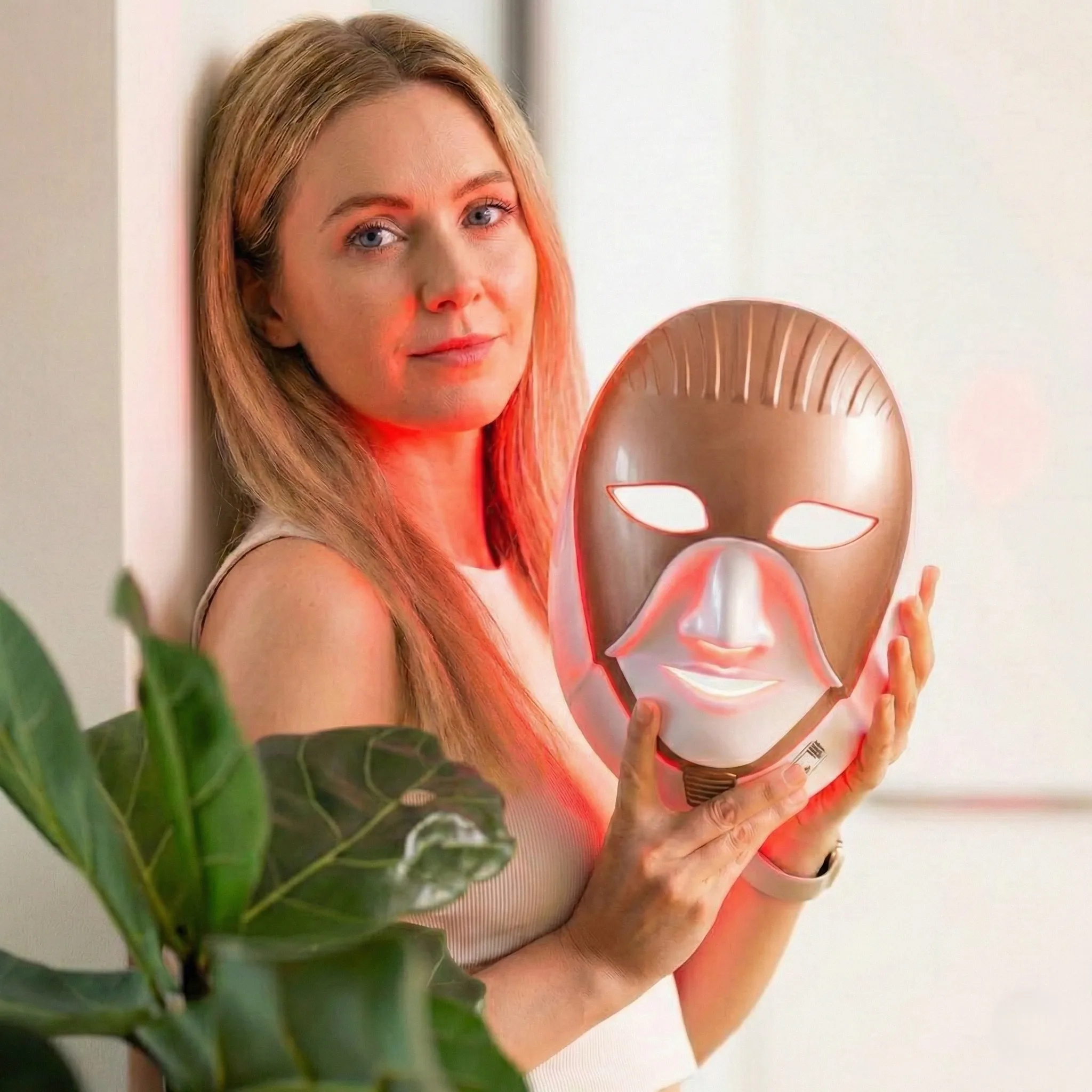
Overall rating 4.9 / 5
Buudy 7 Colour LED Mask
Unlike silicone-based competitors, the Buudy LED Mask uses a non-contact design that addresses every single concern raised in this report. The open-airflow architecture prevents heat trapping, eliminates residue build-up, and ensures 100% of the LED light reaches your skin without material interference.
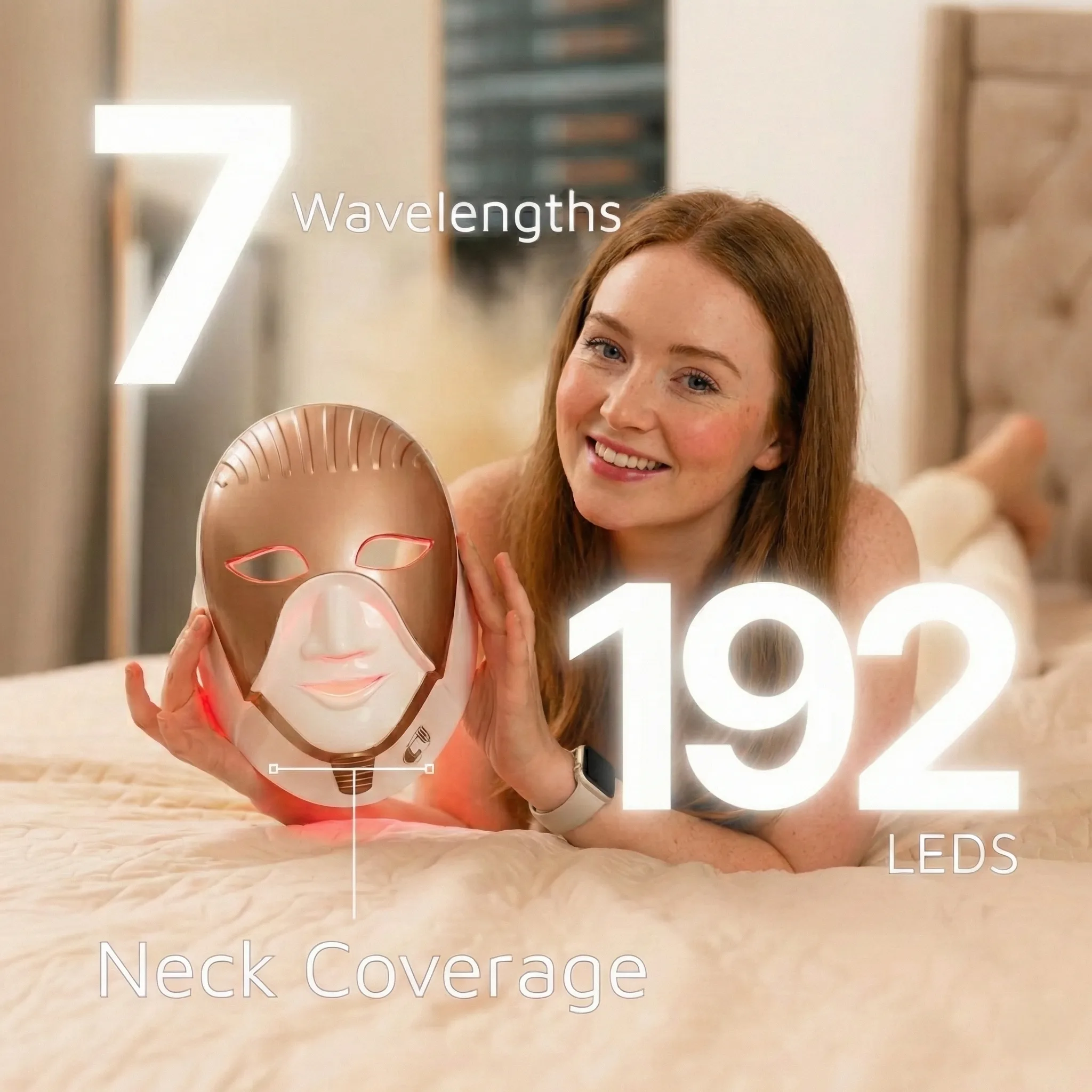
With 7 distinct wavelengths (Red, Blue, Green, Yellow, Cyan, Purple, and White), the Buudy mask offers one of the broadest sets of light modes on the UK market. While silicone masks typically limit you to 2-3 wavelengths, Buudy covers modes commonly associated with the look of fine lines, blemish-prone skin, dark spots, and uneven texture in one device.
The built-in neck coverage—a feature that costs ~$400+ extra with silicone competitors—comes standard. Combined with the cordless, rechargeable design and "Tap Technology" for hands-free use, the Buudy mask delivers a safer, more effective, and more affordable LED skincare experience.
Why Users Like It
- No Silicone Contact: No silicone panel resting directly against your skin during use.
- Open Airflow Design: Your skin has more airflow during the session, maintaining natural moisture balance and keeping the session more breathable.
- Direct Light Delivery: No silicone barrier means 100% of the LED light reaches your skin for a clearer light path.
- 7 Colour Range: Multiple light modes for the appearance of blemish-prone skin, fine lines, dark spots and more—all in one device.
- Built-in Neck Coverage: Full face and neck coverage included at no extra cost.
- Gentle on Skin: Designed to be comfortable for all skin types, including sensitive and blemish-prone skin.
- Easy Return Policy: Clear return terms for added peace of mind.
Silicone Mask Trade-Offs You Avoid
- Less Heat Build-Up: Unlike silicone masks that sit closely against the skin and feel warm.
- Less Residue Build-Up: The open design is easier to keep clean than a close-contact silicone panel.
- No Light Loss: Skip the 15-25% light absorption that silicone material causes.
- No Pressure Points: Evenly delivered light without the uncomfortable facial pressure of silicone masks.
- No Silicone Contact: Avoid prolonged silicone contact during the session.
- No Extra Neck Add-On: Neck coverage is included rather than sold as a separate high-cost accessory.
Comfort & Value Metrics
Make The Safe Choice
If comfort and hygiene matter to you, a non-contact design is worth considering. Join the many customers who chose a more comfortable LED routine.