A Beginner's Guide to LED Light Therapy: What You Should Know Before Buying
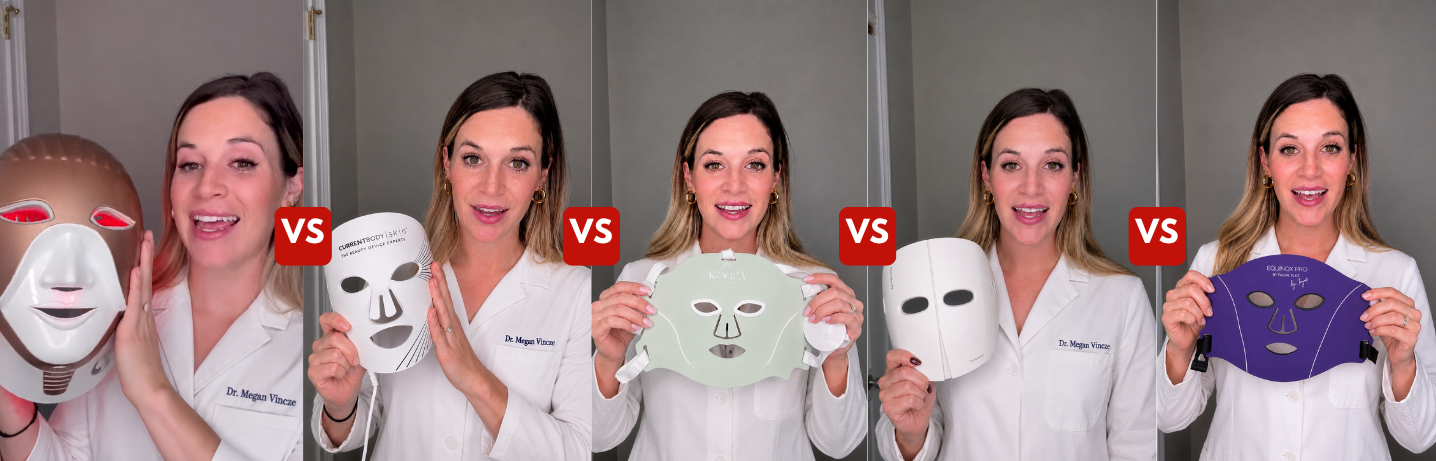
LED light therapy has grown rapidly in popularity over the past few years. But with so many devices on the market, where do you start? This guide walks through the basics of how LED masks work, what each colour is designed for, and what features matter most when you are shopping for one.
LED light therapy has been available in professional skin care clinics for many years, and over the past decade, at-home devices have become increasingly accessible. If you have been scrolling through social media or browsing beauty retailers, you have probably seen those glowing face masks popping up everywhere. But what exactly are they, and are they worth your money?
At a basic level, LED (Light Emitting Diode) therapy involves exposing your skin to specific wavelengths of light. Different wavelengths correspond to different colours, and each colour is associated with different properties. For example, red light (typically around 630nm) is one of the most commonly used wavelengths. According to various published studies, red light wavelengths may help support the skin's natural renewal processes. Near-infrared light (around 850nm) penetrates deeper and is often used in wellness applications.
Buudy 7-Colour LED Mask
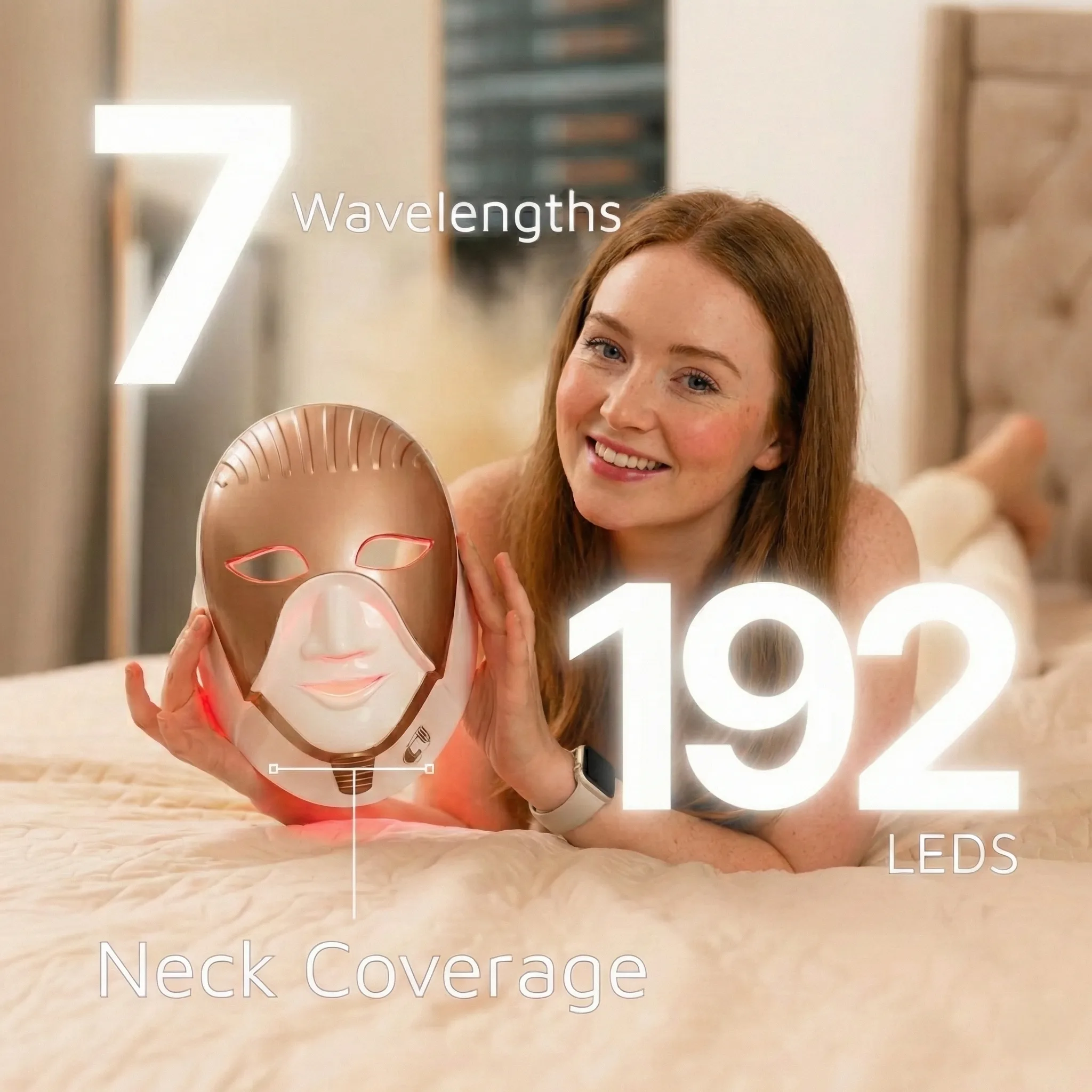
The Buudy mask offers 7 LED colour options and includes integrated neck coverage — features that many competitors charge significantly more for or sell separately.
Blue light (around 415nm) is another popular wavelength. It is often discussed in the context of skin care routines that target blemish-prone skin. Green light (525nm) and yellow light (590nm) are less common but are included in some multi-colour devices. Each colour has its own set of properties that manufacturers highlight, though individual experiences can vary significantly from person to person.
One of the key things to understand before buying an LED mask is the difference between single-colour and multi-colour devices. A single-colour mask will only emit one wavelength, which limits its versatility. Multi-colour masks, which offer anywhere from 3 to 7 different light settings, give you more flexibility to adjust your routine based on your personal preferences and seasonal changes in your skin.
Coverage area is another important factor that many buyers overlook. Most LED masks on the market cover only the face. However, some newer models have extended panels that also cover the neck and jawline area. If even coverage is important to you, it is worth paying attention to whether the mask extends below the chin or if a separate attachment is required, which can significantly increase the total cost.
Material and comfort matter more than you might think, especially if you plan to use the device regularly. Rigid plastic masks can feel heavy and uncomfortable during longer sessions, while flexible silicone masks tend to conform better to different face shapes. Weight, ventilation, and whether the device is cordless are all practical considerations that affect how consistently you will actually use it.
Safety certifications should be a key consideration before purchasing. Look for devices that have been tested and certified — common certifications include the CE marking (required for products sold in the UK and EU). Some manufacturers also state that their devices have attained FDA clearance in the US, which indicates they have submitted documentation regarding safety and efficacy for specific uses. These certifications are part of a manufacturer's compliance process and help verify that the device meets defined safety thresholds.
Price is obviously a major consideration. LED masks range from under ~$41 to well over ~$677. Generally speaking, cheaper devices tend to use lower-quality LEDs that may not emit the precise wavelengths claimed. Mid-range and premium devices typically use higher-quality components and have undergone more rigorous testing. That said, the most expensive option is not automatically the best — it pays to compare specifications rather than just price tags.
When comparing specific models, pay attention to the number of LEDs, the stated wavelengths, the treatment area, battery life (if cordless), and what is included in the box. Some brands include carrying cases, eye protection, and detailed usage instructions, while others provide just the bare minimum. User reviews on independent platforms can also give you a more realistic picture of what to expect.
In the UK market specifically, some of the well-known brands include CurrentBody, Omnilux, and Buudy. Each positions itself slightly differently — some emphasise brand heritage and clinical associations, while others focus on value for money by including more features at a lower price point. We have reviewed many of these devices on our site, so feel free to explore our other articles for detailed comparisons.
Ultimately, the right LED mask for you depends on your budget, your priorities, and how much flexibility you want in your routine. There is no single 'best' device for everyone. We recommend making a shortlist based on the features that matter most to you, reading multiple reviews, and checking return policies before committing to a purchase.