LED Masks and Mature Skin: What the Research Says and What to Consider
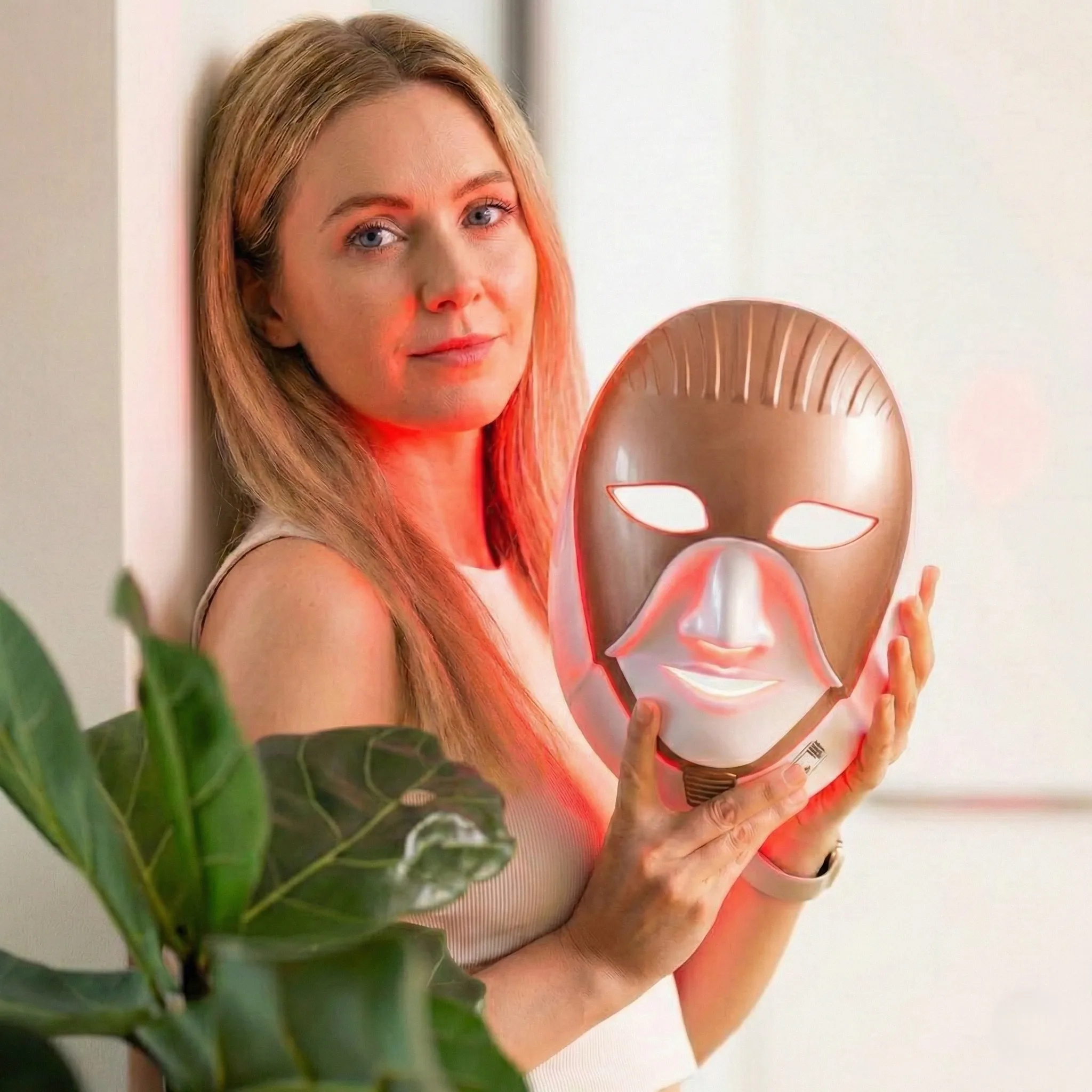
Red and near-infrared LED light have been the subject of numerous studies exploring their effects on skin. If you have mature skin and are considering adding an LED mask to your routine, here is a balanced look at what is out there.
As we get older, our skin naturally changes. Collagen production slows, the skin becomes thinner, and fine lines become more noticeable. These are completely normal biological processes. Many people look for ways to support their skin as it changes, and LED light therapy has become one of the options that people explore.
Red light therapy (around 630nm) has been studied in various contexts related to skin health. Some peer-reviewed studies have reported that consistent exposure to red light wavelengths may support the skin's natural collagen production processes. However, it is important to note that study conditions often differ significantly from how people use at-home devices, and results reported in clinical settings do not automatically translate to identical outcomes at home.
Buudy 7-Colour LED Mask
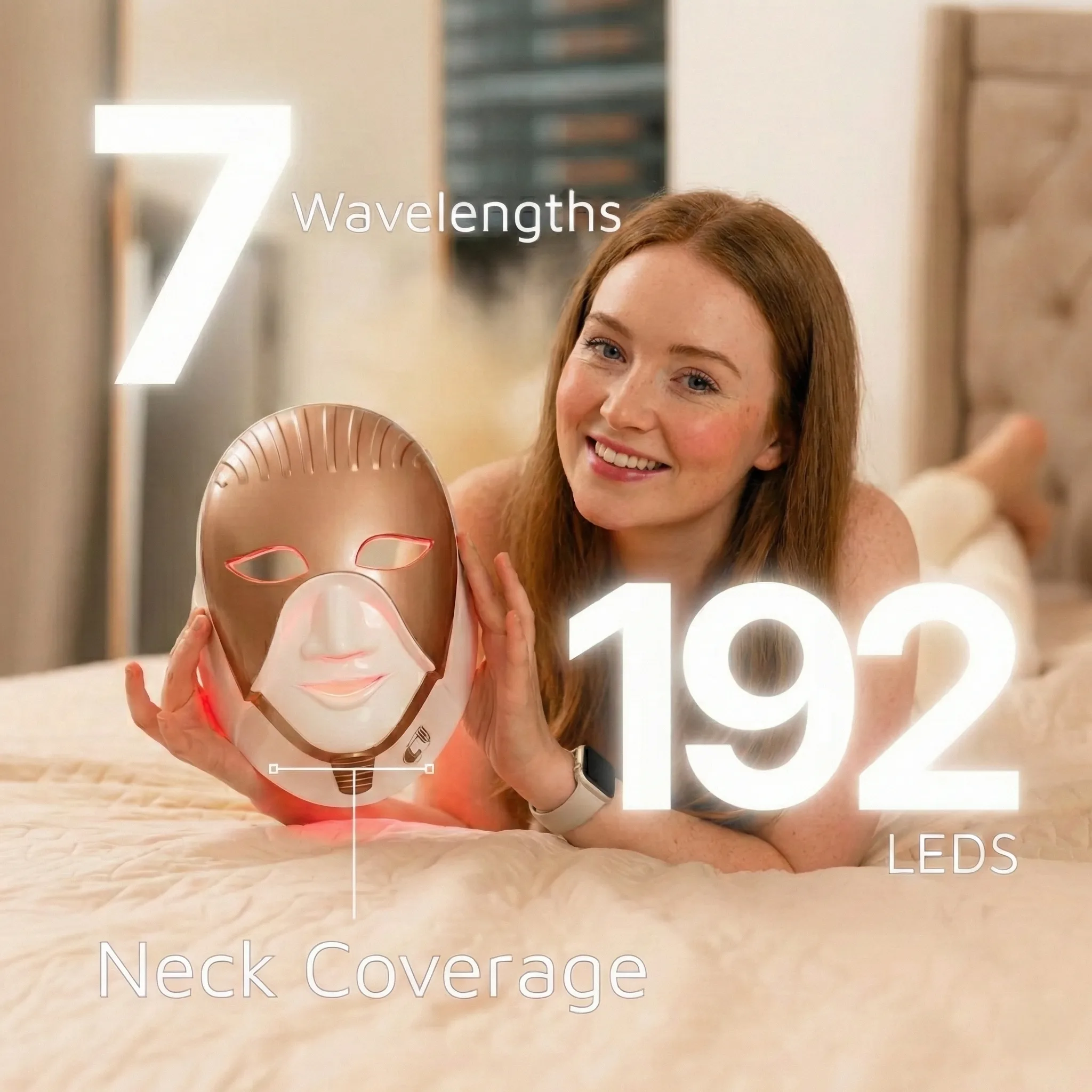
The Buudy mask offers 7 LED colour options and includes integrated neck coverage — features that many competitors charge significantly more for or sell separately.
Near-infrared light (around 850nm) penetrates deeper into tissue than visible red light. It is commonly used in physiotherapy and wellness contexts. Some LED mask manufacturers include near-infrared LEDs in their devices, positioning them as useful for people interested in supporting deeper tissue layers. As with red light, published research exists but individual experiences vary.
If you decide to try LED therapy as part of your mature skin care routine, it is best used as a complement to your existing regimen—not as a replacement. A solid routine that includes sun protection, appropriate moisturising, and professional check-ups remains the foundation of any good skin care approach, regardless of age.
When evaluating LED masks for mature skin specifically, red and near-infrared wavelengths are the ones most commonly discussed. However, some users also appreciate having access to other colours. For example, yellow light (590nm) is sometimes included in multi-colour devices and is associated with soothing properties. Green light (525nm) is another wavelength that some manufacturers include for users interested in addressing uneven skin tone.
Coverage area becomes particularly relevant for mature skin care. The neck and chest areas often show signs of aging before the face does, yet most LED masks stop at the jawline. If comprehensive coverage is a priority, look for devices that include an integrated neck panel rather than one sold separately as an expensive add-on.
Comfort and session length matter, especially for regular use. Most manufacturers recommend sessions of 10 to 20 minutes. A lightweight, flexible mask that you can wear while reading or relaxing will make it much easier to maintain a consistent routine compared to a rigid, heavy device that feels like a chore to put on.
In the UK, popular options include the CurrentBody LED mask (known for its flexible design), the Omnilux Contour (positioned as a premium option), and the Buudy 7-Colour LED Mask (which includes neck coverage and multiple wavelengths at a mid-range price point). Each has its strengths and trade-offs, which we cover in more detail in our comparison reviews.
Price ranges vary considerably. Some devices are priced above $469 and focus on brand prestige and clinical associations. Others, like the Buudy mask at $199 aim to offer a similar feature set — including 7 colours and neck coverage — at a more accessible price. Whether the premium brands justify their higher price tags is a personal judgment that depends on your budget and priorities.
Ultimately, adding an LED mask to your routine is a personal choice based on your goals. While there is promising research in this area, individual results can vary and at-home devices should be viewed as part of a long-term approach to skin wellness rather than a guaranteed fix. It is always best to set realistic expectations and prioritise professional advice for any specific skin conditions.