Blue and Red Light for Blemish-Prone Skin: A Practical Overview
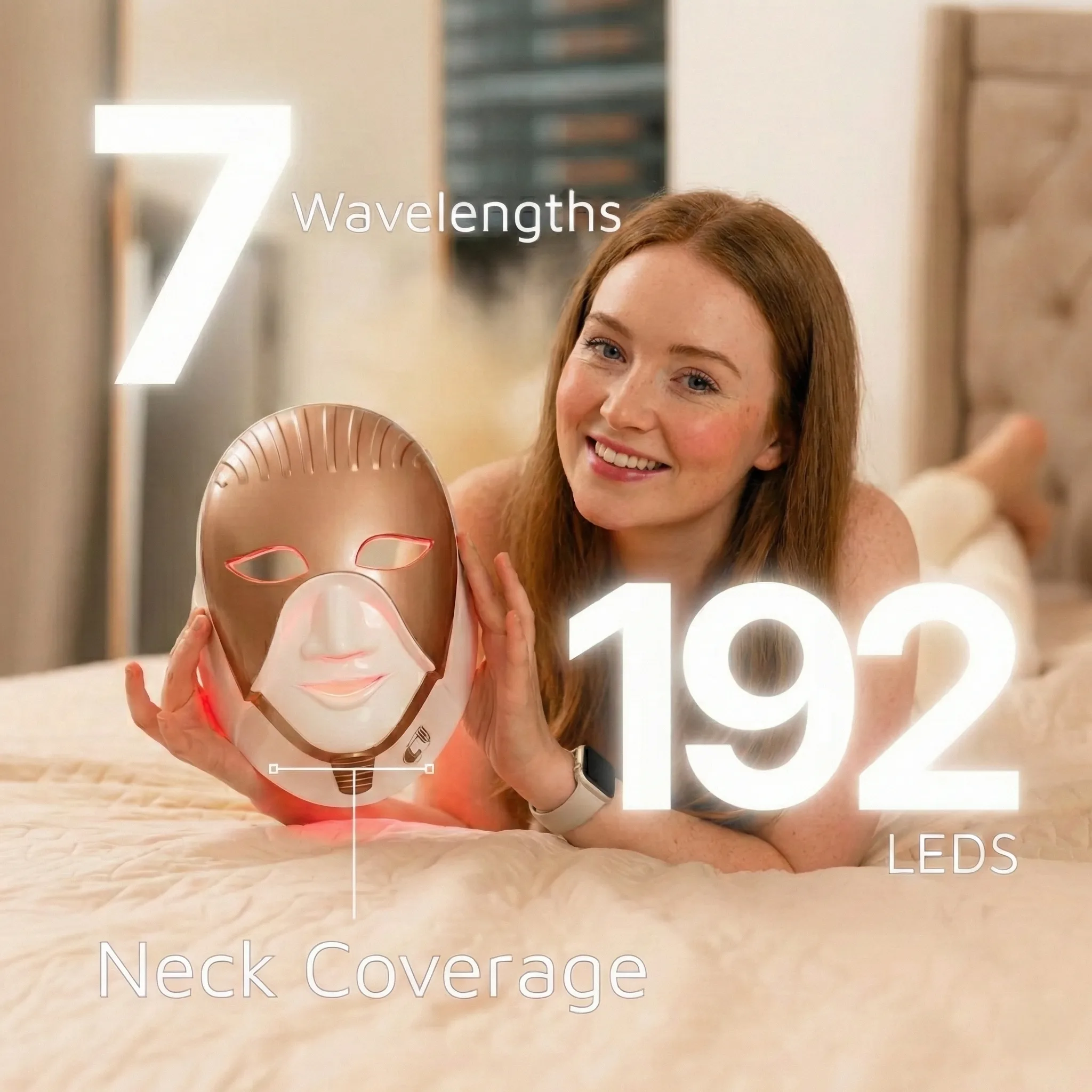
If you have blemish-prone skin, you may have heard about LED light therapy as a non-chemical approach worth exploring. Here is a straightforward look at what blue and red LED light are commonly used for, and what to consider when choosing a device.
Dealing with blemish-prone skin as an adult can be frustrating. Many people have tried various topical products with mixed results, and the idea of a light-based approach that does not involve chemicals can sound appealing. LED light therapy has gained attention as one such option, particularly devices that use blue and red wavelengths together.
Blue LED light, typically around 415nm, is one of the most studied wavelengths in the context of skin care. Research has explored its properties related to certain types of bacteria on the skin's surface. Many LED mask manufacturers highlight blue light as a key feature for people who want to incorporate it into their skin care routine alongside their existing products.
Buudy 7-Colour LED Mask
The Buudy mask offers 7 LED colour options and includes integrated neck coverage — features that many competitors charge significantly more for or sell separately.
Red LED light (around 630nm) serves a different purpose. It is generally associated with supporting the skin's natural recovery processes. When skin is dealing with blemishes, redness and irritation often accompany the breakouts. Red light is included in many devices as a complementary wavelength to use alongside or alternating with blue light sessions.
It is worth noting that at-home LED light therapy is a supplementary approach and not a replacement for advice from a qualified dermatologist or doctor. If you have persistent skin concerns, a professional consultation should be your first step to ensure you receive a proper diagnosis. At-home LED masks are designed to be used as part of a broader routine for general skin wellness.
When shopping for a device specifically for blemish-prone skin, make sure the mask actually includes blue light. This might seem obvious, but some popular 'anti-aging' focused masks only include red and near-infrared wavelengths. If blue light is important to your routine, check the product specifications carefully before purchasing.
Multi-colour devices offer the most flexibility. With a 7-colour mask, for example, you can alternate between different light settings on different days based on how your skin is behaving. Some people prefer using blue light several times a week and red light on other days, though optimal routines vary from person to person.
Consistency appears to be a common factor among users who report positive experiences. Unlike a single clinic visit, at-home devices are designed for regular use over weeks and months. This is why comfort and convenience matter so much — if the mask is uncomfortable or requires a complicated setup, you are less likely to stick with it.
The UK market offers several options in this category. Devices from brands like Buudy, CurrentBody, and Omnilux all include some form of blue and red light capability, though they differ in terms of wavelength count, coverage area, and price. Buudy, for instance, includes 7 different colour options and extends coverage to the neck area, while some competitors focus only on the face with fewer wavelength options.
Budget is a real consideration here. Some devices cost over $469 and may require additional accessories to cover the neck or chest. Others offer comparable specifications at a lower price point. We always recommend comparing the specific features side by side rather than assuming higher price equals better performance.
In summary, if you are curious about incorporating LED light therapy into your routine for blemish-prone skin, a device with both blue and red wavelengths gives you the most relevant options. Look for a comfortable, well-certified device within your budget, be consistent with use, and maintain realistic expectations about what any at-home device can deliver.